
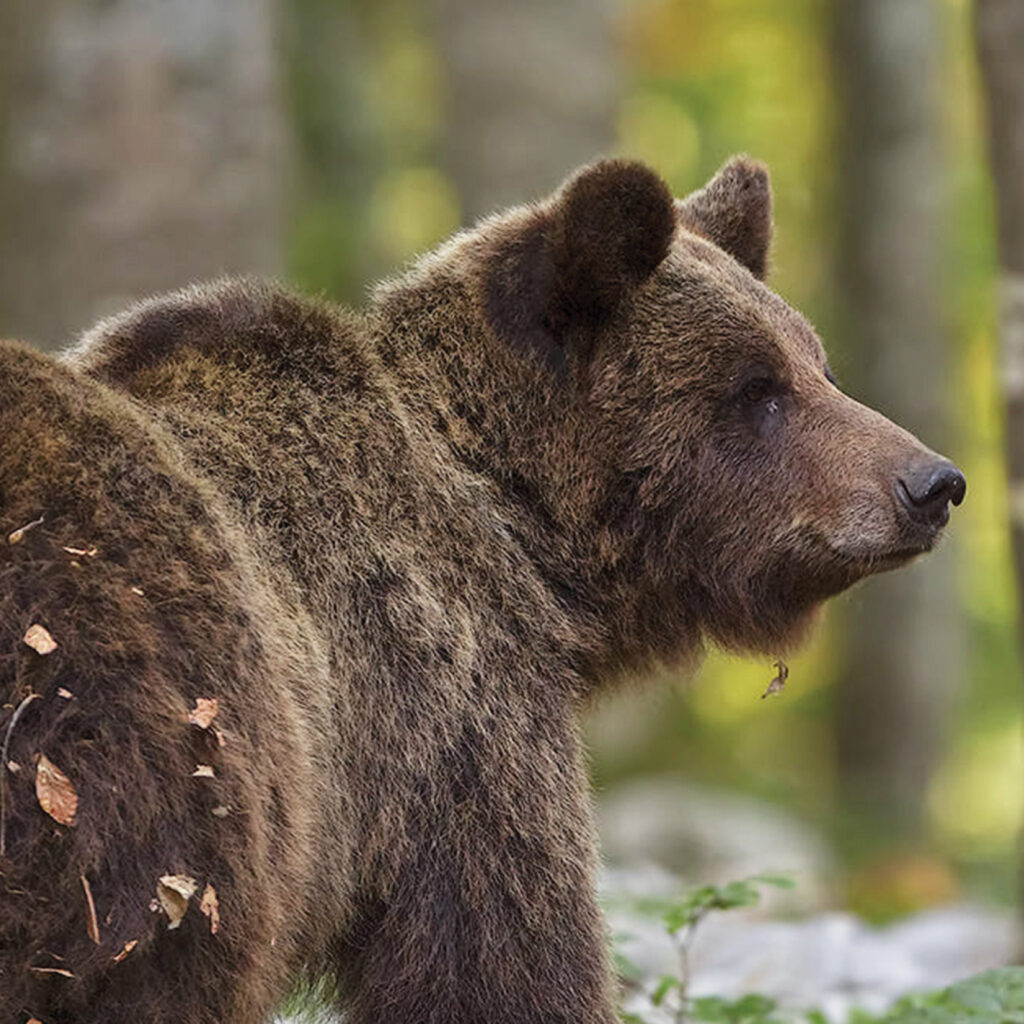
Throughout Northern Alberta and British Columbia, wildlife encounters are a reality of working outdoors. As spring arrives and bears emerge from hibernation, the likelihood of encountering them increases, especially in remote industrial environments such as oil and gas sites, forestry operations, mining or construction projects, and exploration camps.
For workers operating in these environments, understanding proper bear safety practices is essential. The right training, awareness, and equipment can significantly reduce risk and help ensure that crews stay safe while working in bear country.
At Northern Metalic, we equip crews with the bear safety gear they need to operate confidently in wildlife-prone environments.
Why Bear Safety Matters on Industrial Job Sites
Many industrial worksites are located in areas where wildlife activity is common. Food sources, garbage, noise, and vehicle traffic can unintentionally attract animals or disrupt their natural movement patterns. Without proper precautions, these encounters can quickly become dangerous.
Prioritizing bear safety helps organizations:
Protect workers: Preventing wildlife encounters helps keep crews safe in remote environments.
Reduce worksite disruptions: Unexpected wildlife encounters can halt operations and delay critical projects.
Support responsible wildlife practices: Proper protocols help minimize unnecessary harm to wildlife.
By integrating bear safety procedures into job site planning, companies can reduce risk and improve overall workplace safety.
Understanding Bear Behaviour
One of the most important aspects of bear safety is understanding how bears behave and what may trigger defensive reactions.
Bears are generally not aggressive by nature. Most encounters occur because the animal feels threatened, surprised, or attracted by food sources.
Common situations that can increase the risk of encounters include:
-
Working in areas with limited visibility such as dense brush
-
Leaving food or garbage accessible at worksites
-
Approaching bears unintentionally while travelling or working
-
Working during spring and early summer when bears are actively searching for food
Recognizing these risk factors allows crews to take proactive steps to avoid conflict.
Essential Bear Safety Practices for Workers
Implementing simple preventative measures can dramatically reduce the likelihood of dangerous encounters.
Maintain Situational Awareness
Workers should remain aware of their surroundings at all times, particularly in remote areas. Making noise while moving through brush or wooded terrain can help alert wildlife to human presence and reduce the chance of surprising a bear.
Secure Food and Waste
Food odors are one of the most common reasons bears approach worksites. All food, garbage, and scented items should be stored in sealed containers and removed regularly.
Travel in Groups When Possible
Bears are less likely to approach groups of people. When working in remote environments, crews should avoid working alone whenever possible.
Report Wildlife Activity
If a bear is spotted near a worksite, it should be reported immediately so crews can take precautions and adjust work activities if necessary. Establishing clear wildlife reporting protocols helps maintain safety across the entire job site.
Bear Safety Equipment: Preparedness Matters
In bear country, preventative practices should always be paired with proper safety equipment. Several tools are commonly used to help workers deter bears and respond appropriately during an encounter.
Bear Spray
Bear spray is one of the most effective wildlife deterrents available. Capsaicin-based spray creates a powerful irritant cloud that can stop an approaching bear and give workers time to move to safety. Proper storage and quick accessibility are critical, which is why many crews carry spray using specialized holsters or protective cases designed for field work.
Bear Spray Holsters and Carriers
Holsters allow workers to keep bear spray securely attached to belts, vests, or gear while maintaining quick access if needed. Proper positioning ensures the spray can be deployed quickly in an emergency.
Bear Spray Protective Cozies
Protective sleeves or cozies help shield bear spray canisters from damage, weather exposure, and accidental discharge during transport or storage.
Wildlife Deterrent Flares
In some environments, flare launchers are used as an additional deterrent tool to scare wildlife away from worksites before an encounter escalates.
These tools should always be used according to safety guidelines and workplace procedures.
Building a Bear Safety Culture on the Worksite
Equipment alone isn’t enough to ensure safety. The most effective wildlife safety programs combine proper gear with clear policies and worker education.
Successful programs typically include:
-
Wildlife awareness training for crews
-
Clear reporting procedures for wildlife sightings
-
Safe food and waste management practices
-
Accessible deterrent equipment for workers in the field
By integrating bear safety into existing safety programs, companies can reduce risk and promote responsible operations in wildlife habitats.
Supporting Safe Work in Bear Country
At Northern Metalic, we understand the unique challenges faced by crews working in remote environments across Northern Alberta and British Columbia. Our team provides the equipment and safety solutions needed to support safe operations in wildlife-prone areas. From bear spray and protective carriers to deterrent tools designed for field use, we help ensure workers have access to reliable gear when it matters most.
Preparedness is the Best Bear Safety Defense
Working in bear country requires awareness, preparation, and the right equipment. By combining proper safety practices with reliable deterrent tools, crews can significantly reduce the risk of wildlife encounters.
Disclaimer
While we aim to equip workers with the right gear to stay safe, this blog article is not an official source for disseminating information, and best practices always include consulting the official sources on bear safety in your area. In our northern regions, we recommend either the Alberta BearSmart or the British Columbia Bears web pages.
Looking for more?
Sign up for our email newsletter and flyers to stay up to date.
Click here for more on Safety Supplies & Training.
Click here for more blogs on our products and services.